Garage door springs carry the full weight of the door every single time it moves. When one fails, the door stops. For commercial properties, that means blocked access. For homeowners, it means a car stuck inside. Knowing what to watch for is what separates a scheduled repair from an emergency.
Spring Lifespan: The Cycle Count That Matters
Springs are not rated by years. They are rated by cycles. One cycle equals one full open and one full close. A standard residential spring is built for 10,000 cycles.
At four uses per day, that gives you roughly 7 years. At six uses per day, closer to 5 years.
For commercial properties, the numbers shift fast. A loading dock or warehouse door running 15 to 20 cycles daily burns through a 10,000-cycle spring in under two years. That is why garage door spring repair in El Cajon comes up far more often for commercial operators than most expect when they first install a door.
High-cycle springs rated at 20,000 or 30,000 cycles cost more upfront but reduce how often replacements happen, which matters on any property where downtime has a real cost.
Torsion Springs vs Extension Springs
These are the two types you will find on most doors, and they fail in different ways.
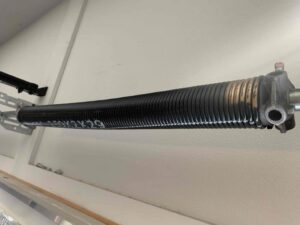
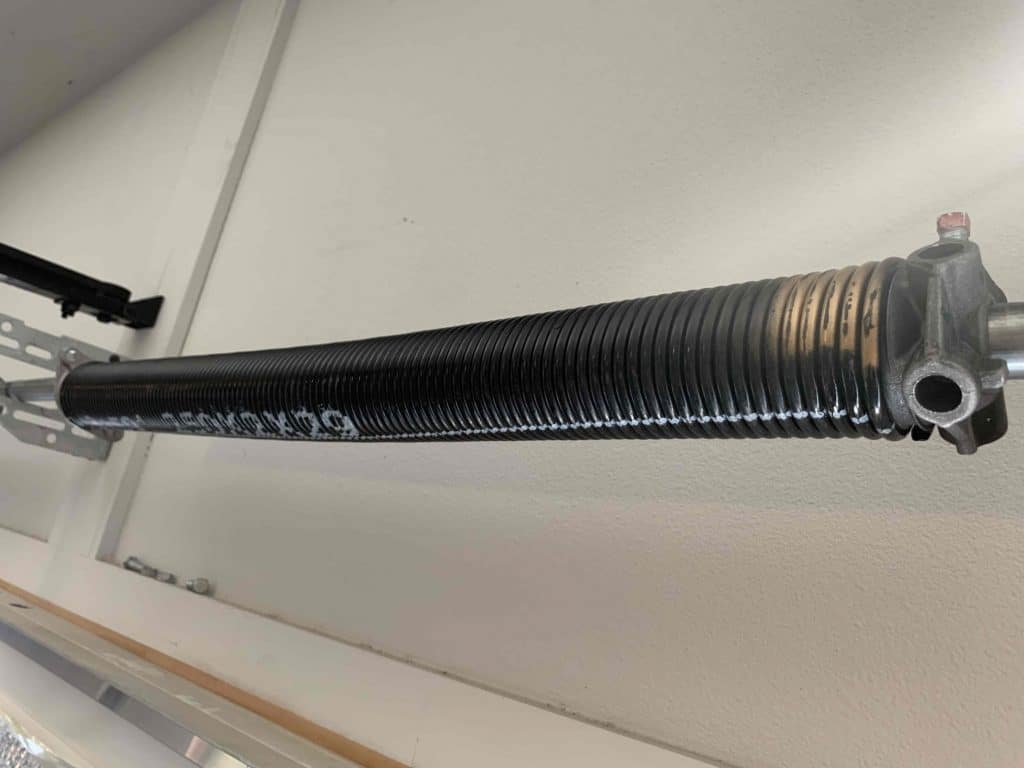
Torsion springs mount above the door and twist to store energy. They are standard on most modern doors and in heavier commercial applications. When one breaks, a visible gap appears in the coil.
Extension springs run along the horizontal tracks on each side and stretch to store tension. They are more common on lighter, older residential doors. They tend to snap at the attachment point where wear concentrates.
Commercial overhead doors almost always use torsion springs. On a two-spring system, both springs should be replaced at the same time, even if only one has broken. Both springs installed together have gone through the same number of cycles, and the second will follow the first within weeks.
Signs a Spring Is Failing Before It Breaks
The spring usually gives a warning before it snaps. Catching it early costs less and prevents the situation where a door fails at 6 AM on a workday.
- The door feels heavier when lifted manually. Disconnect the opener and lift it to the halfway point. A door that falls or feels like it is pulling down has a spring losing tension.
- One side of the door rises faster than the other. Uneven lift points to unequal spring tension, which also puts stress on cables and tracks.
- The opener runs, but the door barely moves. The motor’s load sensor detects too much resistance and stops the cycle. That resistance almost always comes from a spring that has weakened or broken.
- A loud bang from the garage. A torsion spring breaking under tension sounds like something hit the door hard. After that, the door will not open under power.
- Visible rust or deformation on the coil. Rust weakens the metal from the outside in. Rust alone is reason enough to schedule an inspection before the spring fails.
What Happens to the Opener When Springs Wear Out
This is a cost that most property owners do not connect until it is too late. When springs lose tension, the opener motor compensates by working harder on every cycle. That extra load shortens the motor’s lifespan significantly.
A spring that costs a few hundred dollars to replace, when left too long, can add opener motor damage to the repair bill. For commercial properties running high-volume doors, protecting the opener means staying on top of garage door maintenance and not waiting for a visible failure before calling.
Why Spring Repair Is Not a DIY Job
Torsion springs store a significant amount of mechanical energy. When that energy is released unexpectedly, the result is serious injury. The U.S. Consumer Product Safety Commission records thousands of garage door-related injuries annually, with a large portion tied to improper spring handling.
The tools needed to wind and tension a torsion spring correctly are specialized. Getting the tension wrong leaves the door unbalanced, which damages the opener, cables, and tracks in a short time. Extension springs carry the same risk at the point of attachment, where snap failures happen without warning.
Spring replacement is one job where the cost of professional service is clearly lower than the cost of getting it wrong.
Replace One or Both?
If one spring breaks on a two-spring system, replace both. Both springs were installed at the same time and have the same cycle count. The second spring is at the same wear stage as the one that just failed. A second service call within a few months is a cost that one decision avoids.
Book Spring Repair Before the Garage Door Fails
Shon Garage El Cajon handles garage door spring repair in El Cajon for residential doors and commercial overhead doors. If your door has been showing any of the warning signs above, the spring is closer to failure than the door’s behavior suggests.
Waiting costs more than the repair. Contact us today and get the spring checked before the door stops working at a time you cannot afford.